
If you’re a healthcare provider, you know how challenging managing appointments can be. Double bookings, no-shows, and endless phone calls can drain your time and energy.
What if there was a way to handle all of this smoothly, without the hassle? AI appointment scheduling software is designed to do just that—streamline your booking process, reduce errors, and free up your staff to focus on what matters most: patient care.
You’ll discover how these smart tools work, why they’re becoming essential in healthcare, and how they can transform the way you manage your schedule. Ready to make your appointments effortless? Keep reading to find out how AI can help you save time and improve patient satisfaction.
Credit: botphonic.ai
Benefits For Healthcare Providers
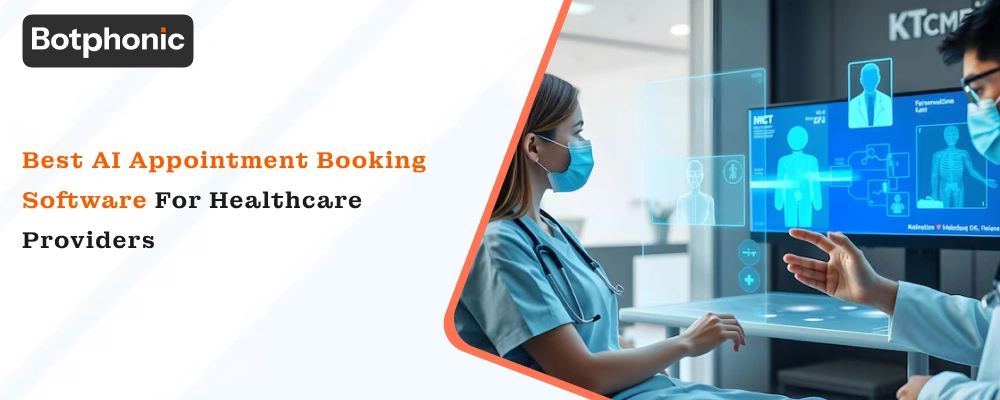
AI appointment scheduling software saves healthcare providers valuable time. It automates booking and reduces manual work. This leads to fewer scheduling mistakes, which can disrupt care.
Patients enjoy a smoother experience with easy, quick booking options. They get reminders and updates without calling the office. This means fewer missed appointments and better care continuity.
Staff can focus more on patient care instead of managing calendars. The software handles complex scheduling tasks, freeing up staff for other duties. This boosts productivity and reduces stress in busy clinics.
Key Features Of Ai Scheduling Tools
Automated appointment booking lets patients schedule visits without calling. This saves time for staff and reduces errors. The system checks doctor availability instantly. It also prevents double bookings.
Calendar integration connects with existing calendars like Google or Outlook. This keeps all schedules updated in one place. Doctors and staff can see appointments and free slots easily.
Real-time schedule adjustments help handle last-minute changes. If a patient cancels or reschedules, the system updates immediately. It can suggest new times to fill gaps quickly.
Patient reminders and notifications reduce no-shows. The software sends texts or emails before appointments. Patients get alerts about upcoming visits and any changes.
Types Of Ai Scheduling Software
Meeting schedulers help book appointments automatically. They check calendars and suggest times. These tools handle time zones and send reminders to avoid missed meetings.
Shift management tools create work schedules for staff. They reduce conflicts by balancing shifts fairly. This helps healthcare providers keep the right staff at the right time.
Workflow and project planners break down tasks and set deadlines. They organize work step-by-step, making projects easier to manage. These tools keep everyone on track.
Calendar optimizers improve team schedules by reducing meeting overlaps. They protect focus time so staff can work without interruptions. This leads to better productivity and less stress.
Popular Ai Scheduling Solutions
Reclaim.ai helps schedule tasks, habits, and meetings. It protects your focus time and adapts as plans change. Motion blends your calendar, tasks, and projects into one easy daily planner. It uses AI to keep you on track.
Trevor AI makes daily plans that fit your style. It learns what you like and improves over time. Clockwise helps teams by managing meetings and creating more quiet time to work.
Clara can schedule meetings for you, handling details like time zones and invites. Scheduler AI works to find the best times for appointments, saving you from back-and-forth emails.
Implementing Ai Scheduling In Healthcare
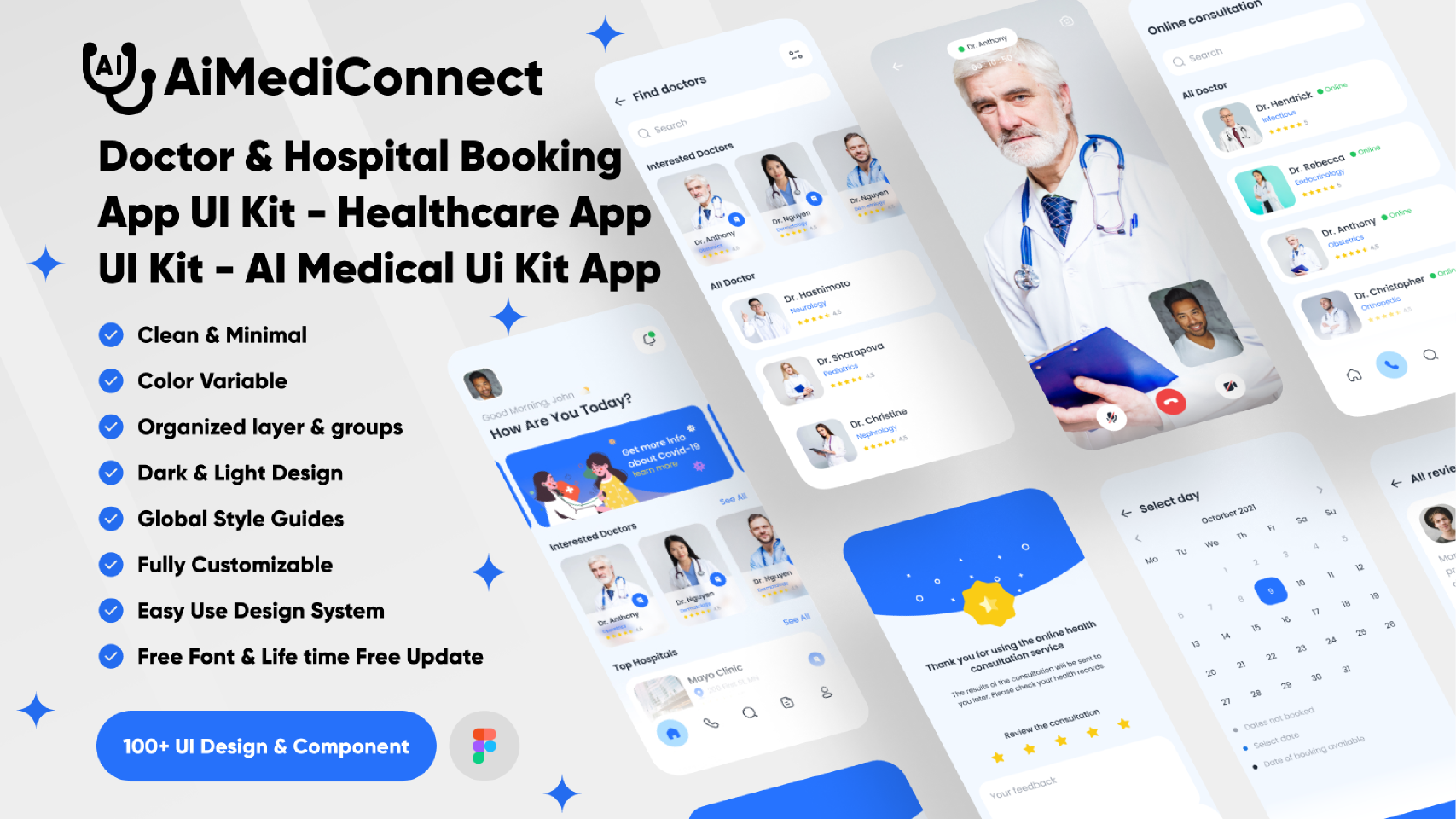
Integration with existing systems is key for smooth AI scheduling adoption. The software must connect with electronic health records (EHR) and calendar apps. This connection avoids double bookings and keeps patient data synced. Healthcare staff need training to use AI tools effectively. Simple guides and live demos help staff learn quickly. Adoption improves with ongoing support and clear communication.
Data privacy is critical in healthcare. AI schedulers must follow laws like HIPAA to protect patient information. Secure data storage and encrypted communication prevent leaks. Patients should trust the system with their information.
Measuring efficiency gains shows AI’s value. Track metrics like reduced wait times, fewer missed appointments, and staff time saved. Use this data to improve workflows and demonstrate benefits to stakeholders.
Credit: www.figma.com
Challenges And Limitations
Handling complex schedules can be a big challenge for AI software. Healthcare providers have many appointments, emergencies, and staff shifts to manage. AI tools may struggle to adjust quickly to last-minute changes or overlapping demands. This can cause double bookings or missed appointments.
User trust and acceptance is another key issue. Patients and staff may feel unsure about AI making scheduling decisions. They may worry about errors or lack of human touch. Building trust takes time and clear communication about how the AI works and protects privacy.
Technical issues like software bugs, server downtime, or poor integration with other systems can disrupt scheduling. These problems reduce reliability and frustrate users. Reliable support and regular updates are needed to keep the system running smoothly.
Cost considerations also affect adoption. Some AI scheduling tools require significant investment for setup and maintenance. Smaller healthcare providers may find these costs hard to afford. Choosing a solution that fits budget and needs is important for success.
Future Trends In Ai Scheduling
Advanced predictive analytics helps healthcare providers forecast patient no-shows and optimize appointment slots. This reduces wait times and increases efficiency. Systems analyze past data to suggest the best times for scheduling, improving resource use.
Voice-activated scheduling lets patients and staff book appointments using simple voice commands. This makes scheduling faster and easier, especially for people with limited mobility or busy hands.
Personalized patient engagement uses AI to send reminders, follow-ups, and health tips tailored to each patient’s needs. This keeps patients informed and reduces missed appointments.
Cross-platform coordination connects calendars and systems across devices and locations. This ensures all healthcare team members stay updated on patient appointments and changes in real-time, preventing overlaps and errors.

Credit: www.capminds.com
How Callerr.nl Can Help You with Ai Appointment Scheduling Software for Healthcare Providers
Practical Learning Opportunities with AI Appointment Scheduling in Healthcare
Exploring AI appointment scheduling software offers healthcare providers more than just operational improvements; it opens doors to practical learning about integrating truly intelligent agents into complex workflows. By understanding key features such as natural language understanding and seamless integration, providers can better navigate challenges and limitations that accompany AI adoption.
Engaging with next-generation tools that emphasize human-level intelligence and measurable operational efficiency enables healthcare teams to experience autonomous excellence firsthand—reducing wait times and scaling patient engagement with zero-code customization. This hands-on approach helps clarify how future-proof solutions redefine standards for patient scheduling, allowing for immediate ROI and improved care coordination.
- Deepen knowledge of AI’s role in managing dynamic healthcare environments
- Learn to balance automation with empathetic patient interactions
- Analyze implementation strategies that ensure 100x scalability and reliable outcomes
For those seeking to expand their understanding or explore real-world applications, connecting with experts at organizations like Callerr.nl can provide valuable insights grounded in technically sophisticated yet accessible AI automation practices.
Contact resources: [email protected] for guidance on AI scheduling integration and operational strategy advice.
Frequently Asked Questions
Is There An Ai Tool For Scheduling?
Yes, AI scheduling tools like Reclaim. ai, Motion, and Trevor AI automate planning, meetings, and calendar management to boost productivity.
Which Ai Tool Is Best For Healthcare?
Google Health AI and IBM Watson Health rank among the best AI tools for healthcare. They enhance diagnostics and patient care efficiently.
What Is The Best Scheduling Software For Healthcare?
The best healthcare scheduling software includes AI-powered tools like Reclaim. ai, Motion, and Clara. They optimize appointments, manage tasks, and improve efficiency. These tools automate bookings, adapt to changes, and protect focus time, enhancing productivity in healthcare settings.
Which Ai Tools Are Hipaa Compliant?
HIPAA-compliant AI tools include Google Cloud Healthcare API, Microsoft Azure for Healthcare, and Amazon Comprehend Medical. They ensure data privacy and security. Always verify a tool’s compliance before use.
What Is Ai Appointment Scheduling Software In Healthcare?
It is a tool that uses AI to book and manage patient appointments automatically.
Conclusion
AI appointment scheduling software helps healthcare providers save time. It reduces errors and avoids double bookings. Patients get timely reminders and easy booking options. Staff can focus more on patient care, not paperwork. These tools adapt to changing schedules quickly.
Choosing the right AI scheduler improves clinic efficiency. Simple, smart scheduling supports better healthcare service delivery. Embracing AI scheduling meets the needs of today’s busy healthcare environment.