
Senior care facility owners across the United States face mounting pressure to deliver quality care while managing operational costs and staff limitations. Daily responsibilities like answering phone calls, scheduling tours, following up with inquiries, and coordinating appointments consume valuable staff time that could be spent on direct resident care. Traditional methods of handling these tasks often lead to missed opportunities, delayed responses, and burnout among already stretched administrative teams.
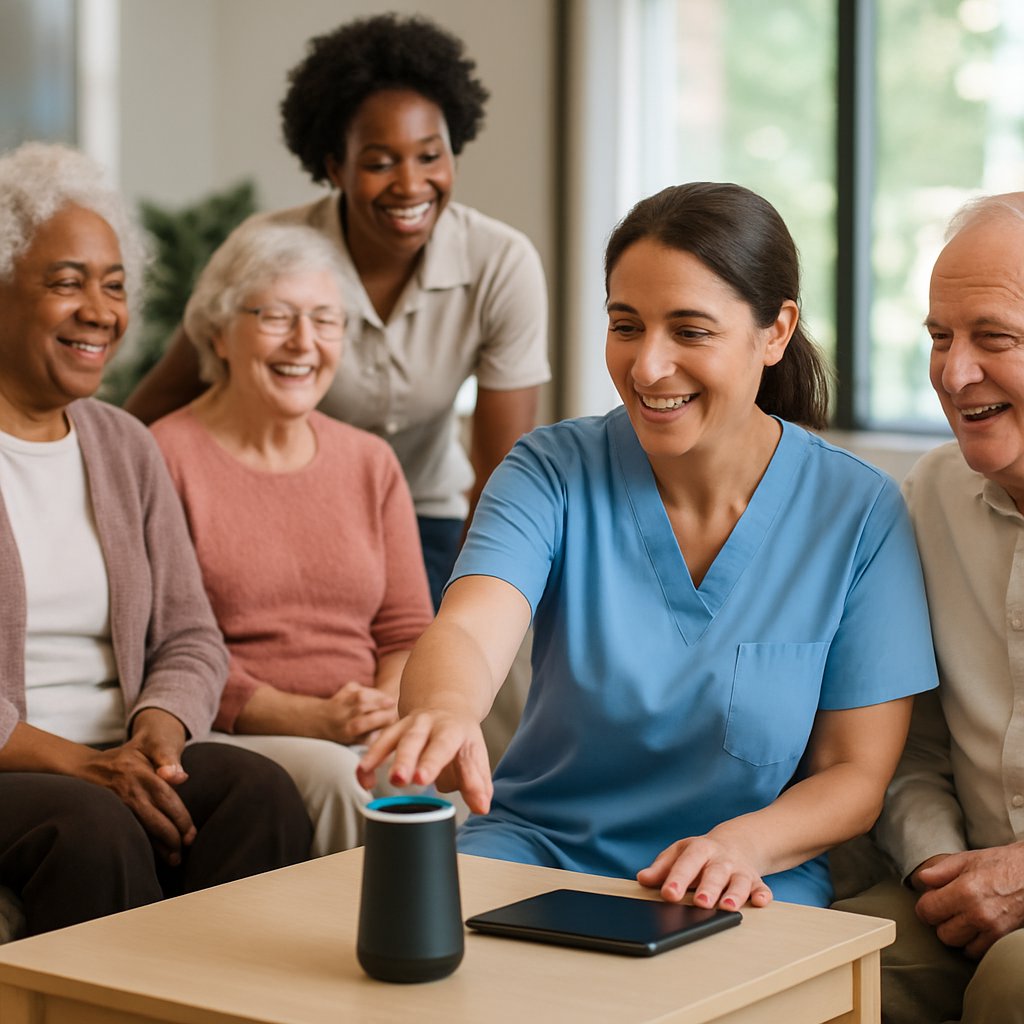
AI voice agents offer senior care facilities a practical solution by automating routine phone communications 24/7, allowing staff to focus on personalized resident care while ensuring no call or inquiry goes unanswered. These systems handle tasks such as facility tour scheduling, inquiry follow-ups, medication reminders, and appointment confirmations with natural-sounding conversations. Leading facilities have integrated this technology to improve operational efficiency without sacrificing the human touch that defines quality senior care.
The adoption of AI voice technology in senior care is not about replacing human caregivers but enhancing their capacity to serve residents better. Facilities using these systems report improved response times, reduced administrative workload, and better resource allocation. Understanding how AI voice agents work and their specific applications in senior care can help you determine whether this technology fits your facility’s needs and operational goals.
Key Takeaways
- AI voice agents automate routine phone tasks in senior care facilities, freeing staff to focus on direct resident care
- These systems operate around the clock to handle scheduling, inquiries, and reminders with human-like conversations
- Implementing AI voice technology reduces administrative burden while maintaining quality communication with residents and families
Frequently Asked Questions

Senior care facility owners considering AI voice technology often have questions about specific solutions, costs, and implementation details. Understanding the capabilities and requirements of different systems helps you make informed decisions for your facility.
What are the top-rated AI voice agents for elderly care in senior living facilities?
Several AI voice agent platforms have gained recognition in the senior care sector. AcquisitionAI offers voice agents specifically designed for skilled nursing and senior living facilities with 24/7 availability and multilingual capabilities. NuAIg provides voice AI solutions that streamline intake, triage, and communication processes while reducing staff burnout.
OneAI specializes in phone agents for appointment scheduling and administrative tasks in nursing homes. Gridspace’s virtual voice agent, Grace, performs regular wellness check-in calls with elderly residents to identify health issues before they become emergencies. Neon AI stands out for its privacy-respecting approach, keeping conversations local rather than uploading data to the cloud.
Voice Agent Labs AI offers specialized solutions for activity scheduling and service coordination in senior centers. Each platform brings different strengths to address the varied operational needs of senior care facilities.
How does Meela AI enhance the quality of life for seniors in care homes?
Information about Meela AI’s specific features and implementation in senior care facilities is limited in current industry documentation. You should request detailed case studies and references directly from the vendor if you’re considering this solution.
When evaluating any AI voice platform for quality-of-life improvements, look for documented outcomes in areas like social engagement, cognitive stimulation, and daily task assistance. Research from the University of Southern California’s Center for AI in Society shows that elderly patients interacting with empathetic intelligent virtual assistants experienced a 19% improvement in daily mental wellness.
What are the costs associated with implementing Sensi AI in a senior care facility?
Specific pricing information for Sensi AI is not readily available through public sources. Most AI voice agent providers in the senior care sector use custom pricing models based on facility size, number of residents, and feature requirements.
Your implementation costs typically include initial setup fees, monthly or annual subscription charges per resident or per facility, and potential hardware expenses for devices or integration. Request detailed quotes from multiple vendors that break down all cost components including training, support, and system updates.
Consider the return on investment through reduced administrative burden, decreased staff burnout, and improved operational efficiency. Some facilities report significant time savings on routine tasks like appointment scheduling and resident inquiries.
In what ways can AI voice technology improve healthcare for elderly residents?
AI voice technology provides 24/7 monitoring and support without the limitations of human caregiver schedules. Sensor-integrated systems detect falls, changes in sleep patterns, and activity anomalies in real-time, enabling faster emergency response.
Stanford’s CARE initiative pilots demonstrated over 92% accuracy in identifying early warning signs through AI-driven monitoring platforms. These systems track medication adherence and alert caregivers when residents miss doses or display concerning behavioral changes. Regular voice interactions through virtual assistants provide cognitive stimulation that can help delay cognitive decline.
Voice AI also enables remote health monitoring for elderly patients, allowing healthcare providers to track vital signs and health trends without requiring constant in-person checks. This continuous monitoring helps identify issues before they escalate to emergencies, reducing hospital admissions and improving outcomes.
The technology supports proactive care by analyzing patterns in resident behavior and health metrics. Early detection capabilities allow your care team to intervene quickly when residents show signs of distress or declining health.
What features should owners look for when choosing an AI voice assistant for their senior care facility?
Voice-first design is essential since many seniors struggle with traditional digital interfaces. Your chosen system should understand natural speech patterns and respond in conversational, easy-to-understand language.
HIPAA compliance and robust data privacy protections are non-negotiable requirements for any healthcare AI system. Verify that the vendor handles sensitive health data securely and provides detailed documentation of their security measures.
Emotionally aware intelligence capabilities help the AI assess resident mood and emotional states through voice tone analysis. MIT AgeLab research shows that AI companions with emotional engagement capabilities effectively reduce loneliness among elderly residents.
Integration capabilities with your existing electronic health records, scheduling systems, and communication platforms streamline operations. Look for systems offering multilingual support if you serve diverse resident populations. 24/7 availability ensures residents receive assistance whenever needed, not just during staffing hours.
Customization options allow you to tailor prompts, responses, and monitoring parameters to your facility’s specific protocols. The system should provide clear reporting and analytics so you can track usage, resident engagement, and health outcomes.
How do AI voice companions support the daily activities and needs of the elderly in residential care?
AI voice companions provide medication reminders at scheduled times, helping residents maintain proper adherence to treatment plans. They answer common questions about meal times, activities, and facility services, reducing wait times for staff assistance.
These systems engage residents in meaningful dialogue and suggest activities based on individual preferences and capabilities. Daily conversations provide cognitive stimulation and social interaction, particularly valuable for residents with limited family contact.
Voice companions assist with activity scheduling and coordinate service requests, acting as a personal assistant available anytime. They can guide residents through simple exercises, lead memory games, or provide entertainment through music and storytelling.
The technology empowers residents to maintain greater independence by helping them navigate daily routines without constant staff intervention. Automated check-ins throughout the day ensure residents are safe and give caregivers peace of mind. When the AI detects concerning responses or missed interactions, it alerts your care team for follow-up.