Assisted living facilities face increasing pressure to deliver high-quality care while managing limited resources. Conversational AI agents now offer a practical way to handle inquiries, support staff, and engage with families more efficiently. By automating routine communication and providing instant, accurate responses, we can improve service quality and free caregivers to focus on personal interaction and resident well-being.
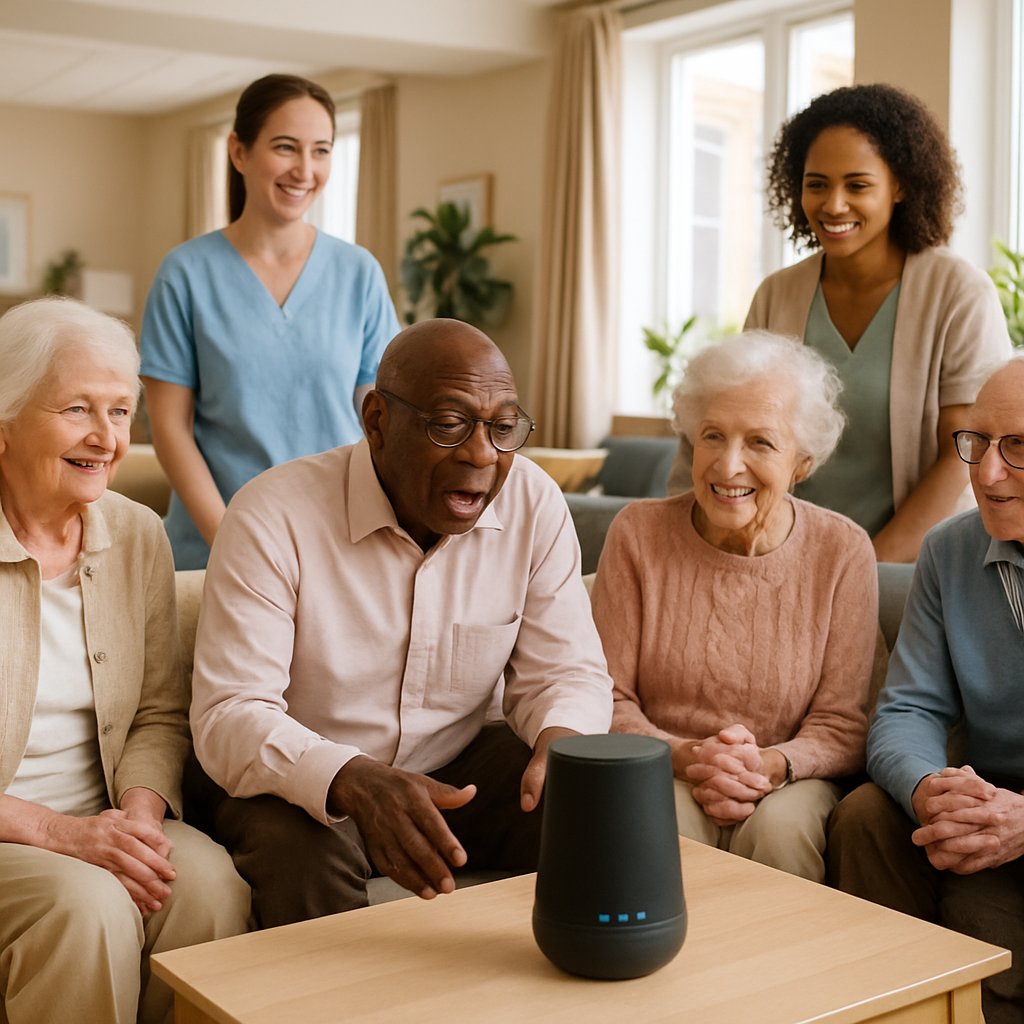
These AI-powered virtual assistants work around the clock, answering questions, scheduling tours, assisting with move-ins, and even collecting crucial information for care planning. When connected with existing resident management systems, they streamline workflows, reduce administrative workload, and enhance the overall experience for residents and families alike.
As the demand for senior care continues to grow, conversational AI stands out as a reliable ally that supports both care providers and residents. It ensures timely responses, personalized communication, and better coordination across teams—all essential elements in maintaining an efficient and compassionate assisted living environment.
Key Takeaways
- Conversational AI improves communication and service in assisted living communities.
- Automation reduces administrative work and enhances staff efficiency.
- Integrated AI tools deliver personalized care experiences for residents and families.
Key Benefits and Applications of Conversational AI in Assisted Living Facilities
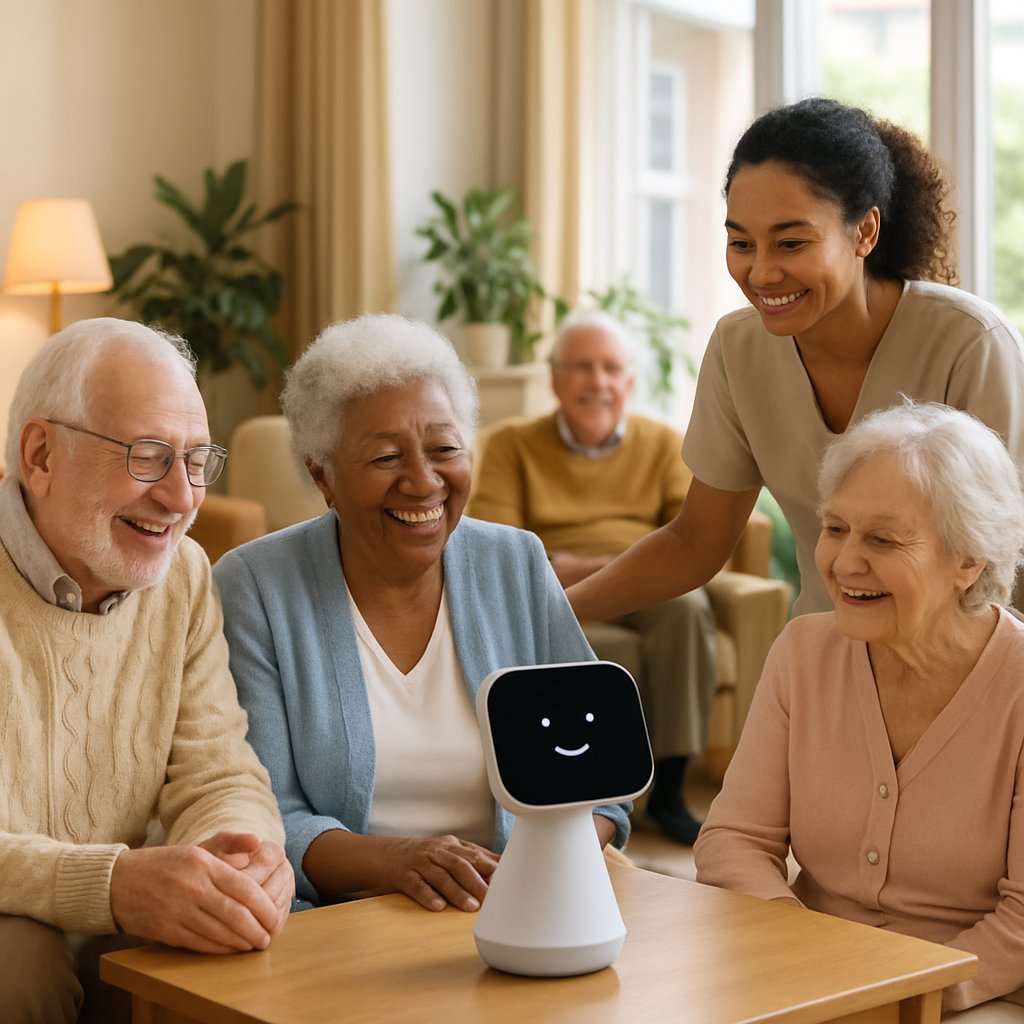
Artificial intelligence, particularly conversational AI, is improving how assisted living facilities support residents and staff. The use of virtual assistants, predictive analytics, and chatbots is helping us personalize care, enhance safety, increase efficiency, and uphold strong data privacy standards.
Enhancing Resident Care with Virtual Assistants
Conversational AI allows residents to access help and information around the clock. Virtual assistants built on AI can respond to daily needs such as medication reminders, appointment scheduling, and wellness checks. By using natural language processing, these agents understand requests accurately and help staff deliver faster responses.
Residents can initiate voice or text interactions without needing technical skills. This accessibility is especially useful for those with limited mobility or cognitive decline. When integrated with health monitoring systems, conversational AI can alert staff to changes in activity patterns or symptoms, supporting early intervention.
By combining automated communication with predictive analytics, we can detect risks such as falls or medication inconsistencies in real time. This approach strengthens resident safety and reduces the manual workload associated with routine follow-ups.
Personalizing Experiences for the Elderly Population
Conversational AI enables customized interaction that adapts to each resident’s communication style, health needs, and preferences. It can remember past conversations, dietary restrictions, favorite activities, and emotional cues to offer a more human-like connection.
In assisted living environments, this personalization helps promote engagement and reduce isolation. For instance, an AI-driven chatbot might suggest a suitable exercise program or remind a resident of social events they enjoy. Such small adjustments enhance emotional well-being and encourage independence.
This personalization extends to care plan optimization. By analyzing resident data, AI systems can identify trends and recommend updates to individual care routines. As we continue to refine these systems, our focus remains on maintaining empathy and trust while improving the quality of daily living.
Boosting Operational Efficiency and Resource Allocation
Implementing conversational AI streamlines routine processes in senior living communities. Tasks like responding to basic inquiries, recording resident requests, and updating schedules can be automated, allowing staff to prioritize direct care.
AI algorithms also evaluate facility operations through predictive analytics, forecasting staff demand, equipment use, and occupancy trends. This data helps managers plan shifts, manage workloads, and improve resource allocation. The result is higher productivity with fewer administrative delays.
Table: Examples of AI-driven efficiency improvements
| Task | AI Contribution | Outcome |
|---|---|---|
| Resident requests | Chatbot auto-responses | Faster support |
| Maintenance updates | Predictive alerts | Lower downtime |
| Staff scheduling | AI-based demand forecasts | Better coverage |
By handling repetitive tasks, conversational AI frees staff for more interactive and compassionate work, aligning efficiency with better care.
Ensuring Data Privacy and Addressing Ethical Considerations
As conversational AI becomes more embedded in assisted living facilities, maintaining data privacy and ethical integrity is essential. These systems process sensitive health and behavioral data, requiring careful management to comply with healthcare regulations and local privacy laws.
We must use encryption, secure storage, and transparent consent protocols to protect residents’ information. Regular audits and algorithm reviews help uncover possible biases or inaccuracies, ensuring fairness and accountability across all AI-enabled decisions.
Ethical safeguards extend to how virtual assistants interact with residents. We design these systems to support autonomy, not replace human contact. Responsible governance of artificial intelligence promotes trust and fosters confidence among residents, families, and staff, ensuring that technology strengthens rather than compromises compassionate care.
Frequently Asked Questions
Conversational AI in assisted living facilities changes how residents communicate, receive support, and stay informed. We focus on improving engagement, protecting data, encouraging social connection, and integrating technology with existing care practices.
How do conversational AI agents improve resident engagement in assisted living facilities?
We use conversational AI agents to give residents instant access to information and assistance. These tools answer questions, schedule activities, and provide reminders without delay.
By interacting with residents through natural language, AI agents keep them connected to services and events. This constant availability encourages participation and helps residents feel more in control of their daily routines.
What are the privacy implications of using conversational AI in eldercare settings?
Privacy protection remains a core requirement for any AI system in eldercare. We ensure compliance with healthcare data standards such as HIPAA and require strict encryption of all resident communications.
Only authorized staff can access sensitive data. We also perform regular audits to confirm that AI systems handle information responsibly and maintain resident trust.
Can conversational AI reduce loneliness and social isolation in assisted living residents?
We design conversational agents to engage residents in friendly, casual dialogue. These interactions can help fill social gaps when in-person visits are limited.
While AI cannot replace human companionship, it provides a reliable source of interaction that reduces feelings of isolation. Some residents report improved mood and mental well-being with consistent conversational contact.
What are the challenges in implementing AI conversational technology in assisted living communities?
Implementation requires coordination between technical providers and facility management. Integration with existing communication or health record systems can be complex.
User acceptance also presents a challenge. Some residents may hesitate to interact with new technologies, so we introduce AI tools gradually and provide clear demonstrations to build comfort and confidence.
How does conversational AI support healthcare monitoring in assisted living environments?
AI agents can collect wellness data such as medication adherence, activity levels, and routine check-ins. They alert caregivers when residents deviate from expected patterns.
By connecting with wearables or electronic health systems, these agents provide an early-warning layer for potential health concerns. This allows staff to respond faster and improve continuity of care.
What are best practices for training staff to use conversational AI tools in assisted living facilities?
We train staff to understand the functions, limits, and workflows of conversational AI systems. Proper training helps employees troubleshoot issues and support residents effectively.
Interactive workshops, simulation sessions, and ongoing technical support build staff competence. With consistent practice, teams can integrate AI use smoothly into daily care operations.