Are you looking for a way to make your customer service faster, smarter, and available 24/7? Imagine having a virtual assistant that understands your customers’ questions and solves their problems instantly—without the wait or frustration.
Conversational AI for customer service automation does exactly that. It helps you deliver quick answers, personalize interactions, and handle routine tasks effortlessly. If you want to boost your customer satisfaction and free up your team for more complex issues, keep reading to discover how conversational AI can transform your customer support.
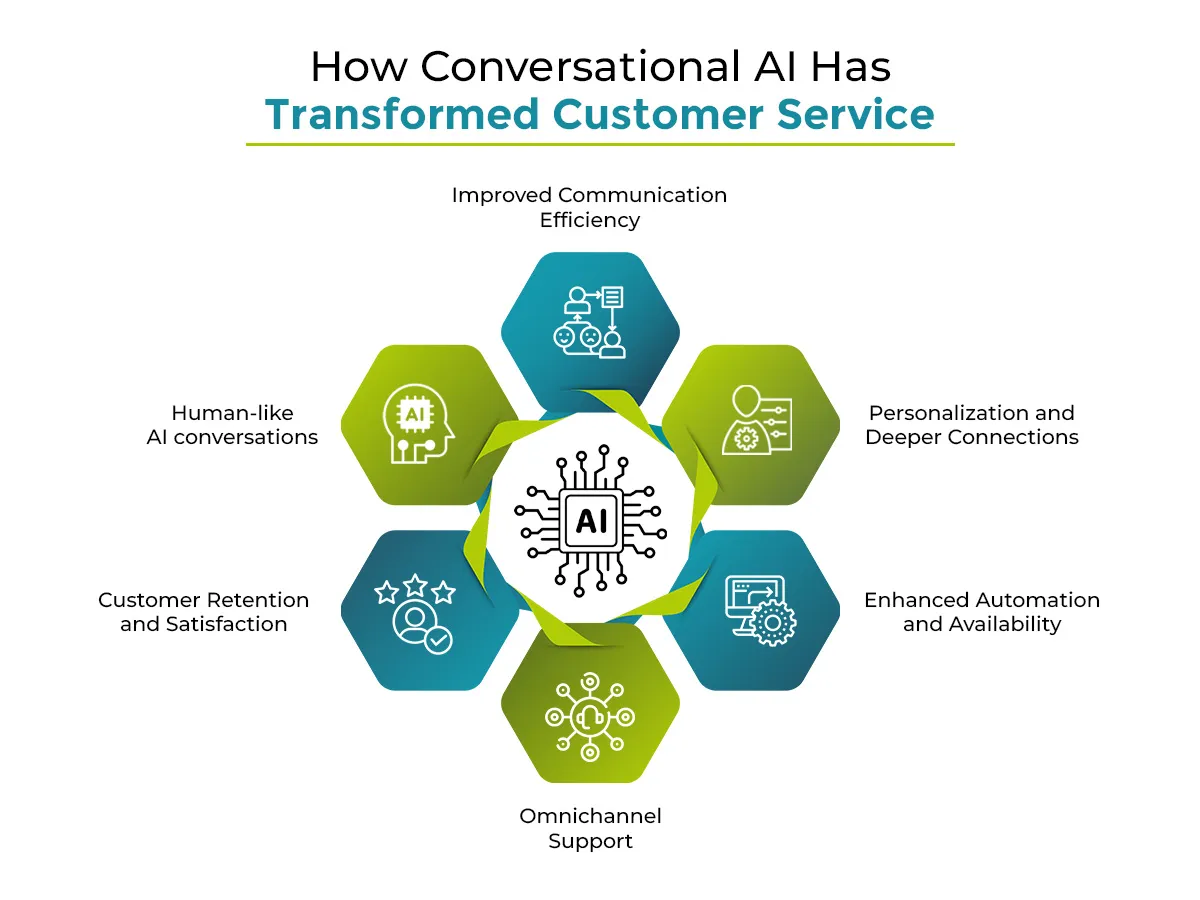
Credit: vsynergize.com
Benefits Of Conversational Ai
Faster response times help customers get answers quickly. This improves satisfaction and keeps them happy. Conversational AI works instantly, avoiding long waits.
24/7 customer support means help is always available. No matter the time, customers can get assistance. This is useful for global businesses with clients in different time zones.
Personalized customer interactions make each person feel special. The AI learns customer preferences and offers tailored replies. This builds trust and loyalty over time.
Reduced operational costs lower expenses by automating simple tasks. Companies save money on hiring many agents. This allows staff to focus on complex issues that need human care.
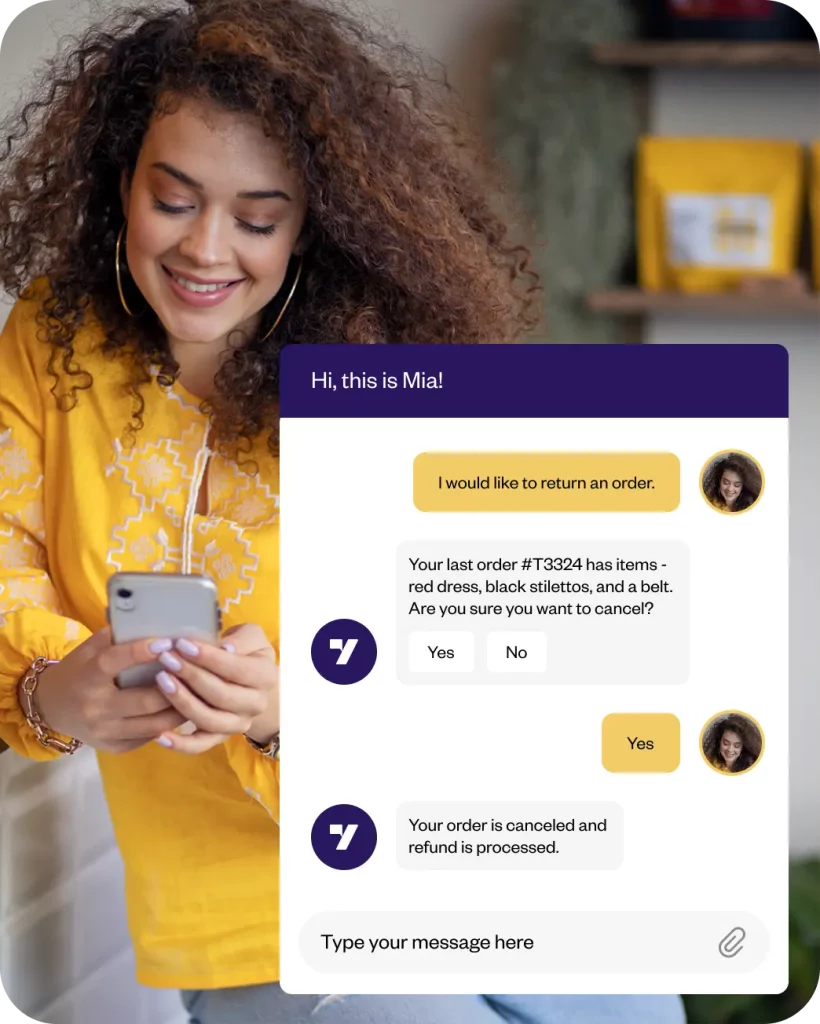
Credit: yellow.ai
Core Technologies Behind Conversational Ai
Natural Language Processing (NLP) helps machines understand human words. It breaks down sentences to find meaning. This allows chatbots to answer questions clearly and quickly.
Machine Learning Models teach AI to learn from past chats. The system improves with each conversation. This makes responses smarter and more helpful over time.
Speech Recognition and Synthesis let customers talk to AI and hear replies. Speech recognition changes voice to text. Speech synthesis turns text back to voice. This makes talking to machines easy and natural.
Contextual Understanding helps AI remember past messages. It keeps track of the chat flow. This way, AI gives answers that fit the whole conversation, not just one line.
Common Use Cases In Customer Service
Automated FAQs and Troubleshooting help customers find quick answers without waiting. It saves time for both customers and agents. Common questions get answered instantly, reducing call volume.
Order Tracking and Updates keep customers informed about their purchases. They can check delivery status anytime through chat. This reduces anxiety and improves satisfaction.
Appointment Scheduling lets customers book, change, or cancel appointments easily. No need to wait on hold or send emails. Automation ensures no double bookings or errors.
Handling Refunds and Complaints becomes smoother with AI. Customers can report issues and get solutions faster. It helps companies respond politely and keep records for future reference.
Integration With Existing Systems
CRM and helpdesk platforms connect easily with conversational AI. This allows customer data to flow smoothly between systems. Agents get a full view of customer history. It helps answer questions faster and more accurately.
Omnichannel support channels let customers reach out in many ways. Chatbots work on websites, apps, social media, and messaging apps. This keeps communication consistent across all platforms. Customers enjoy quick replies no matter where they ask.
Data security and privacy compliance are key for trust. Conversational AI follows strict rules like GDPR. Data is encrypted and stored safely. Customers’ personal info stays private and secure. Companies avoid legal risks by meeting these standards.
Measuring Success And Roi
Key Performance Indicators help measure how well conversational AI works in customer service. Customer Satisfaction Scores show how happy customers feel after using the service. Higher scores mean better experiences.
Agent Productivity Improvements track how much more work agents do with AI help. AI can handle simple questions, so agents focus on hard problems. This saves time and effort.
Cost Savings Analysis compares money spent before and after AI use. AI reduces the need for many agents and cuts training costs. Lower costs improve the company’s budget.
Challenges And Limitations
Managing complex queries is a big challenge for conversational AI. Some questions need deep understanding or special info. AI may give wrong answers or get stuck on tough problems. This can frustrate customers and lower trust.
Avoiding misunderstandings is hard because AI reads words but misses feelings or tone. Sometimes, it guesses wrong what the customer means. This causes wrong replies or repeated questions, making the chat less smooth.
Maintaining human touch is important for good service. AI can feel cold or too formal. People want kindness and empathy, which AI can struggle to show well. Balancing automation with real human help is key.
Continuous training and updates keep AI smart and useful. New products, questions, or language styles need fresh data. Without regular updates, AI falls behind and makes more mistakes. This needs time and effort from teams.
Future Trends In Conversational Ai
Advanced emotional recognition allows AI to detect feelings from voice and text. This helps agents respond with more care and understanding. It makes customer conversations feel more natural and personal.
Proactive customer engagement means AI can start chats before problems grow. It can offer help or information based on customer behavior. This reduces wait times and boosts satisfaction.
Cross-platform AI assistants work on many devices and apps. Customers get consistent support whether they use chat, phone, or social media. This creates a smooth and easy experience everywhere.
AI-driven insights and analytics help businesses see trends in customer needs. Data from conversations guides better decisions and service improvements. It helps companies stay ahead of issues and offer smarter support.

Credit: omdia.tech.informa.com
Choosing The Right Conversational Ai Solution
Evaluating features means checking if the AI understands simple and complex questions. It should handle different languages and connect with your current tools easily. Scalability ensures the AI grows as your business grows without extra hassle. Customization lets you change responses and workflows to fit your needs perfectly.
Vendor support is key. A good vendor offers quick help and clear guides. A strong community around the product means more tips and shared solutions from other users.
Cost considerations include setup fees, monthly charges, and possible extra costs for upgrades or more users. Choose a solution that fits your budget but still meets your needs well.
How Callerr.nl Can Help You with Conversational Ai for Customer Service Automation
Practical Learning in Conversational AI for Customer Service Automation
As you explore the transformative potential of conversational AI, gaining hands-on experience with core technologies like Natural Language Understanding and Large Language Models is crucial. These foundational elements enable truly intelligent agents capable of delivering human-level intelligence and zero wait time responses. Practical learning can also deepen your understanding of integration challenges and how seamless integration with existing systems drives measurable operational efficiency.
Consider structured learning paths that emphasize real-world applications—such as automating up to 90% of calls or customizing solutions with zero-code tools—so you can witness immediate ROI firsthand. Experimenting with these next-generation AI tools helps internalize how autonomous excellence and instant scale redefine customer service standards.
- Focus on the interplay between technology and customer experience for truly empathetic interactions
- Analyze data to measure success and refine AI models continuously
- Engage with enterprise-ready platforms that support quick deployment in days, not months
For further insights or technical guidance, resources like Callerr.nl provide expertise grounded in a results-obsessed, forward-thinking approach—supporting your journey toward future-proof customer communication.
Frequently Asked Questions
What Is Conversational Ai In Customer Service Automation?
Conversational AI uses chatbots and voice assistants to handle customer questions automatically.
How Does Conversational Ai Improve Customer Service Efficiency?
It answers queries instantly, reducing wait times and freeing agents for complex issues.
Can Conversational Ai Handle Multiple Languages In Support?
Yes, many conversational AI systems support multiple languages to assist diverse customers.
What Are Common Channels For Conversational Ai In Customer Support?
Chatbots work on websites, social media, messaging apps, and voice assistants.
Is Conversational Ai Safe For Handling Customer Data?
Properly designed AI follows security rules to protect customer privacy and data.
Conclusion
Conversational AI helps businesses answer customers quickly and clearly. It works 24/7, giving support anytime people need it. This technology handles simple questions, freeing agents for harder tasks. Customers feel heard and get fast solutions. Using conversational AI saves time and reduces errors.
It also improves overall customer satisfaction and loyalty. Adopting this tool can make service smoother and easier for everyone. Simple, smart, and always ready to assist—that is the future of customer service.