Senior living communities face growing pressure to maintain high occupancy while delivering quality care. Families want reassurance that their loved ones receive attention, and operators need efficient ways to manage communication. AI-powered calling systems help bridge these needs by turning every call into a meaningful opportunity to connect, inform, and engage potential residents.

With automated voice assistants available around the clock, communities can capture inquiries, qualify interest levels, and schedule follow-ups even after office hours. These systems analyze data to reveal care preferences and response patterns, helping staff adjust strategies that directly impact occupancy growth. The result is a streamlined process that boosts admissions and strengthens relationships with families.
As AI continues to evolve, senior care organizations gain tools that complement human compassion with consistent outreach and actionable insights. Adopting these technologies not only supports operational efficiency but also enhances the quality of every interaction.
Key Takeaways
- AI-driven calling systems convert missed calls into real occupancy opportunities
- Real-time insights help tailor communication and improve response efficiency
- Data-supported workflows enhance both resident satisfaction and staff productivity
The Role of AI-Powered Calling Systems in Senior Care
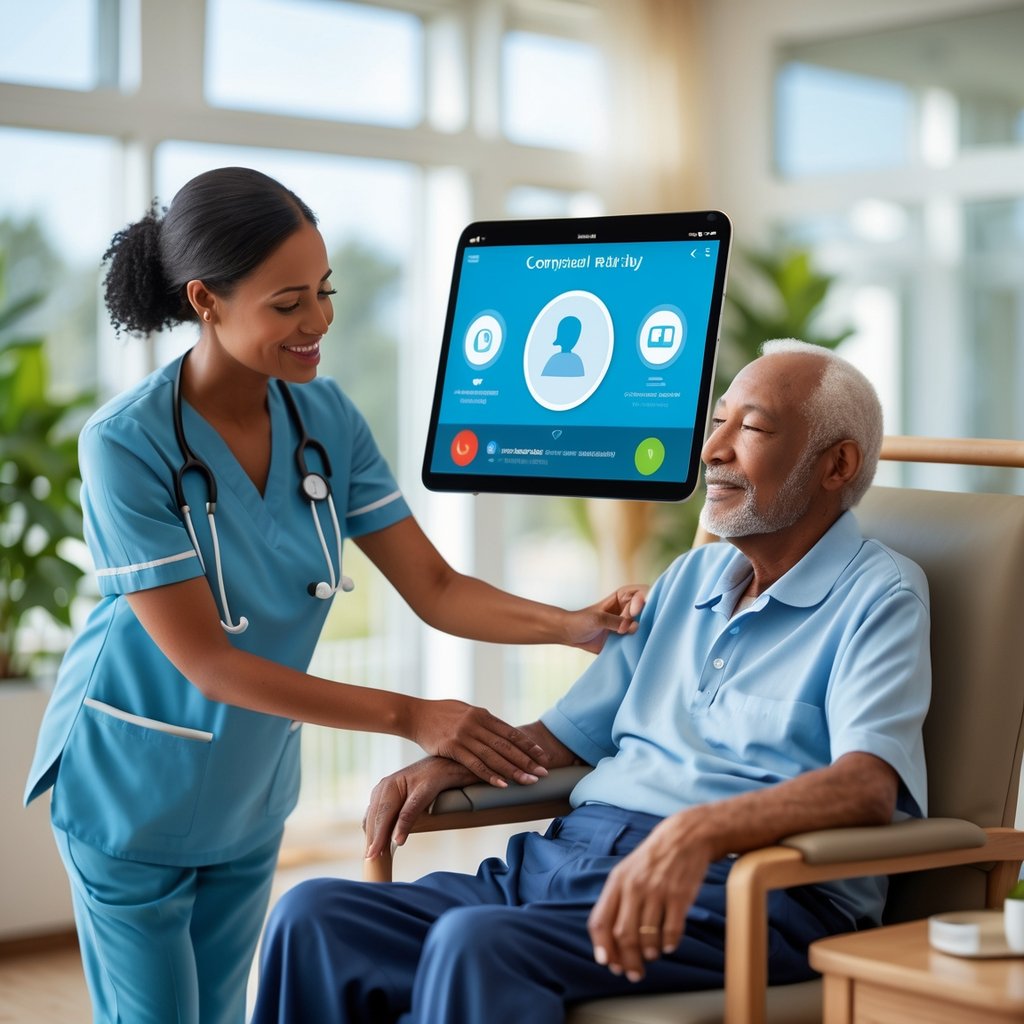
AI-powered calling systems improve how senior living communities manage communication, monitor resident needs, and maintain occupancy levels. These systems connect residents, caregivers, and families efficiently while reducing administrative strain through automation and predictive support features.
How AI Transforms Resident Interaction
AI calling systems provide seniors with an accessible way to communicate daily needs without relying on complex technology. Residents can use voice commands to schedule activities, request assistance, or receive medication reminders. This helps reduce isolation by keeping individuals engaged and connected.
Many AI-powered platforms include natural language processing (NLP) for conversational interactions. This allows staff to track well-being indicators, such as mood or cognitive changes, based on call patterns. For example:
| Function | Benefit |
|---|---|
| Medication reminders | Reduces missed doses |
| Activity check-ins | Encourages engagement |
| Emergency escalation | Provides rapid response |
By learning each resident’s preferences, AI tools adapt communication styles, offering personalized, consistent support that supplements human care rather than replacing it.
Integration with Senior Living Workflows
In senior living facilities, integrating AI calling systems streamlines operations by automating routine administrative tasks. These include appointment scheduling, wellness checks, and follow-ups for potential move-ins. Staff can focus more on direct caregiving because the system handles time-consuming communication tasks.
AI-powered platforms often connect with existing electronic health records (EHRs) and facility management software. This integration helps synchronize information across departments, reducing errors and maintaining up-to-date occupancy data. Facilities use dashboards to track call frequency, resident satisfaction, and potential service gaps.
The data collected from these calls also supports predictive resource allocation. For example, identifying trends in maintenance or care requests can inform staffing adjustments, improving response efficiency and quality of care.
Enhancing Communication for Memory Care Facilities
In memory care environments, communication challenges require special attention. AI calling systems help maintain regular, structured contact with residents who may experience confusion or memory loss. They deliver gentle reminders and familiar voice prompts that promote consistency and comfort.
Care teams can program time-based check-ins or personalized greetings tailored to each individual. Speech pattern analysis may assist in detecting early signs of cognitive decline, prompting timely medical review.
These systems also help families stay informed. Automated updates and two-way calling features allow loved ones to receive real-time insights about well-being and daily routines. This transparency builds trust while ensuring that care remains responsive and resident-centered.
Driving Occupancy and Retention with AI Solutions
AI helps senior care organizations improve forecasting accuracy, target outreach effectively, and automate lead conversion. These capabilities support higher occupancy rates, better resident retention, and more efficient operations across assisted living communities.
Predictive Analytics for Occupancy Forecasting
Predictive analytics enables organizations to forecast occupancy trends based on historical data, inquiry patterns, and resident turnover. By using machine learning models, management can identify periods of expected vacancies and take proactive steps to maintain stable census levels.
Facilities use data inputs such as:
| Data Source | Example Metric |
|---|---|
| Inquiry logs | Number of monthly leads |
| Resident data | Average length of stay |
| Market data | Regional occupancy rate |
This insight allows teams to plan marketing efforts around predicted slow periods. They can also align staffing and resource levels with future demand, avoiding overstaffing or sudden shortages. Predictive tools give executive teams measurable visibility into trends that were previously based on intuition rather than evidence.
Personalized Outreach and Engagement
AI-driven calling systems and CRM platforms help personalize communication with prospective residents and families. Instead of using identical scripts, these systems adapt responses based on previous interactions, care interests, and decision stage. Each contact feels more relevant, which increases the likelihood of scheduling tours and moving in.
The combination of long-term memory and behavioral data helps create consistent follow-up strategies. For example, an AI system can recall prior discussions about mobility assistance or dietary preferences and tailor outreach to address those needs directly.
This approach shortens decision timelines and builds trust. Families perceive the organization as attentive and responsive, which supports higher retention over time. Personalized engagement also reveals which services or amenities most influence conversion rates, helping teams optimize marketing content.
Automated Lead Management
AI systems simplify lead handling by automating tasks such as inquiry tracking, data entry, and follow-up reminders. When a prospect calls or completes an online form, the system records details, updates status, and schedules the next contact without manual intervention.
Sales teams gain more time for relationship building instead of administrative work. Automated scoring highlights which leads are most likely to convert, allowing timely attention where it matters most.
Even small facilities benefit from a structured, AI-assisted pipeline. With consistent processes and accurate records, fewer opportunities slip through the cracks. This automation supports sustainable occupancy growth by ensuring that no prospective resident or family inquiry goes unanswered.
Reducing Vacancies in Assisted Living
AI tools reduce vacancies by connecting predictive data with operational decisions. When occupancy dips, automated campaigns can target families most likely to need placement soon, using insights drawn from inquiry timing and demographic analysis.
Facilities use social listening and other analytics to monitor public feedback and identify factors influencing demand. For instance, if online reviews mention extended response times, management can adjust workflows to improve immediate engagement.
AI-based scheduling also helps with unit readiness. Predictive alerts inform staff when move-outs are pending, allowing faster turnover and fewer idle days between residents. Each improvement—whether faster communication or optimized turnover—contributes directly to higher occupancy and lower vacancy durations in assisted living communities.
Improving Resident Experience and Care Quality
AI systems in senior care strengthen both the quality of care and the daily experience of residents. They help staff deliver faster responses, personalize care, and maintain continual awareness of needs without increasing workload. By combining automated insights with human attention, facilities achieve higher satisfaction and safer living environments.
Personalized Care Plans through AI
AI tools can analyze resident data—from health records to daily activity logs—to develop personalized care plans. These plans adjust as residents’ conditions evolve, ensuring that interventions match current needs. For example, if mobility decreases, the system can recommend updated physical therapy sessions or schedule assistance at specific times.
Automated scheduling and reminders support staff coordination. Personal profiles store data such as medication routines, dietary preferences, and social interests. When integrated with AI-powered calling systems, these profiles enable targeted communication, informing both residents and families about care updates in an organized, consistent way.
Facilities gain better consistency and fewer errors because decision-making relies on objective, real-time data. Staff respond to information instead of guesswork, leading to measurable improvements in care quality and resident satisfaction across different departments.
Real-Time Visibility into Resident Needs
Real-time visibility allows caregivers to monitor changes as they happen. AI platforms collect input from various sources, such as sensors, nurse call systems, or digital health records, and display results through centralized dashboards. This transparency ensures every team member sees the same up‑to‑date status for each resident.
When a resident requests help, the AI-powered calling system routes calls based on staff availability and skill level. This reduces delays and makes response times predictable. Team leaders can also identify recurring issues like frequent assistance requests or communication gaps and use that data to adjust workflows.
The outcome is improved coordination among caregivers and reduced missed notifications. Family members benefit as well, often receiving status updates through linked systems, giving them insight into daily life and reinforcing trust in the facility’s reliability.
Proactive Health Monitoring and Alerts
AI systems can detect patterns that indicate health risks before they escalate. They track metrics such as movement frequency, sleep duration, and vitals when connected to wearable devices or smart sensors. Deviations trigger alerts for staff review, allowing early action on potential concerns like dehydration or irregular heart rates.
Predictive modeling supports proactive intervention instead of crisis management. Facilities can set threshold levels for specific conditions—such as falls or medication adherence—and receive automated notifications if values drift outside safe ranges.
A summary table can highlight typical alert categories:
| Alert Type | Trigger Example | Staff Action |
|---|---|---|
| Activity change | Reduced mobility detected | Schedule physical review |
| Sleep disruption | Unusual patterns detected | Adjust routine or check meds |
| Missed medication | Smart dispenser warning | Follow up immediately |
This structured communication process strengthens staff readiness and reinforces the resident’s sense of safety and trust in the community.
Staff Satisfaction and Workflow Optimization
AI-powered calling systems in senior care streamline routine communications, minimize staff burden, and produce data-driven insights that guide better resource allocation. These systems help caregivers focus on resident needs rather than repetitive administrative work, improving both efficiency and job satisfaction.
Automating Routine Communications
Automated calling systems manage frequent, time-sensitive communications such as appointment reminders, medication updates, or family notifications. By handling these repetitive tasks, the system reduces manual calls while ensuring accuracy and consistency. Staff can oversee the process through dashboards that track call completion rates and response metrics.
These tools also generate data-driven insights by analyzing call outcomes and identifying communication bottlenecks. Facilities can use this information to refine workflows and respond quickly to emerging issues. As a result, staff spend less time on coordination tasks, leading to fewer delays and better continuity of care.
Automation also standardizes information flow between departments. When updates automatically sync with electronic health records or scheduling systems, it eliminates redundant work and cuts the risk of errors caused by missed messages.
Reducing Staff Workload
AI-driven calling systems remove much of the repetitive coordination that previously required manual effort. When automated alerts confirm appointment attendance or send reminders for care activities, employees can redirect their attention to direct resident interactions.
This workflow shift saves time and improves focus. Administrative tasks that once took hours can be completed in minutes with automated scheduling and follow-up features. Staff also benefit from predictive scheduling tools that match call volume to available coverage, balancing workloads throughout the day.
In many facilities, supervisors use built-in analytics to identify patterns—such as peak communication hours or delayed response rates—to adjust staffing levels appropriately. This balance prevents fatigue and supports safer, more predictable operations.
Impact on Staff Retention and Morale
Improvements in workflow efficiency have measurable effects on staff satisfaction and retention. When employees experience fewer interruptions and administrative burdens, they report lower stress and higher engagement.
Reliable automation tools enhance morale by giving staff better control of their daily routines. Employees spend less time resolving communication backlogs and more time providing meaningful resident care. This shift strengthens their sense of purpose and professional value.
Facilities that adopt these systems often see reduced turnover due to clearer workflows, consistent communication, and transparency in performance metrics. By providing actionable insights and decreasing workload pressure, AI-powered communication supports a more sustainable and supportive work environment.
Data-Driven Insights and Strategic Decision Making
AI-powered calling systems enable senior living facilities to turn communication data into measurable outcomes. By unifying information from resident interactions, scheduling systems, and occupancy metrics, leaders can track trends, make informed decisions, and allocate resources more efficiently. The result is a more transparent and proactive approach to managing both care delivery and operational performance.
Centralized Data Collection for Senior Living
Centralized data management ensures that every resident interaction—calls, care updates, or inquiries—is recorded and analyzed in one system. This eliminates fragmented information across departments and creates a single source of truth for occupancy, care quality, and resident satisfaction.
Facilities integrate inputs from phone systems, electronic health records (EHRs), and customer relationship management (CRM) tools. Automated logging captures call duration, response times, and outcomes. These insights allow managers to see patterns in resident communication, detect service delays, and monitor how engagement efforts affect occupancy retention.
A centralized database simplifies compliance reporting and supports data security. With proper access controls, staff can retrieve needed information quickly without duplicating work. By maintaining consistent records, senior care teams gain a clear understanding of how communication channels influence both resident experience and operational stability.
Actionable Reporting and Key Performance Indicators
Accurate reporting converts raw communication data into measurable indicators that guide decision-making. Facilities often use dashboards displaying occupancy rate, average call resolution time, and resident response satisfaction. Seeing performance at a glance allows managers to identify improvement areas before problems escalate.
Analytical tools within AI-powered calling systems can highlight which service lines generate most inquiries and which care programs correlate with higher move-in conversions. Reports may include:
| KPI | Data Source | Purpose |
|---|---|---|
| Occupancy Rate | CRM, Call Logs | Track real-time bed utilization |
| Call Response Time | Automated Logging | Measure service efficiency |
| Resident Satisfaction Score | Post-Call Surveys | Evaluate communication quality |
Frequent review of these indicators enables data-driven insights across all levels of the organization. Decision-makers rely on concrete evidence, not assumptions, when planning staffing adjustments, marketing campaigns, or resident engagement strategies.
Predictive Modeling for Future Planning
Predictive analytics uses historical and real-time call data to forecast future trends in occupancy and resource needs. By analyzing variables such as inquiry frequency, seasonal move-in patterns, and average conversion timelines, senior living operators can anticipate changes in demand.
AI-powered models identify when additional staff or outreach campaigns will likely be needed. For example, if predictive data shows declining call volume from certain referral sources, facilities can adjust marketing focus or follow-up cadence. This creates a forward-looking approach instead of one focused only on reacting to current occupancy levels.
When combined with financial and clinical data, predictive models give administrators a holistic view of operations. They can align staffing, marketing, and care resources to meet projected demands more accurately, enabling consistent quality and sustainable occupancy growth.
Future Trends in AI-Enabled Senior Care Occupancy
AI continues to shape how senior care facilities manage occupancy, predict demand, and maintain personalized engagement with residents and families. These developments enhance both operational precision and resident well-being by blending predictive analytics, voice automation, and real-time data processing into daily operations.
Expanding AI Capabilities Beyond Calling
AI-powered calling systems are evolving from simple communication tools into full-service engagement platforms. They use predictive analytics to anticipate occupancy fluctuations, identify potential move-ins or discharges, and support staff in maintaining balanced resident levels. Facilities gain more control over scheduling and can align care capacity with projected demand.
Many platforms now incorporate speech recognition and intent analysis to detect resident sentiment during calls. This helps providers recognize early signs of dissatisfaction or changing care needs. By automatically flagging issues, AI ensures faster intervention and reduces risks of vacancy through proactive support.
These systems also extend outreach to families. Automated yet personalized updates improve transparency, which in turn builds trust and long-term retention. Over time, data from call interactions train the models to handle more nuanced dialogue, allowing staff to focus on high-value, in-person care activities rather than routine coordination tasks.
| Function | Key Impact |
|---|---|
| Predictive call analysis | Improves occupancy forecasting |
| Sentiment monitoring | Strengthens resident satisfaction |
| Automated updates | Builds family trust and engagement |
Integration with Other Smart Technologies
AI-powered occupancy tools increasingly integrate with smart home systems, wearable devices, and electronic health records (EHRs). This integration supports a continuous loop of information sharing between residents, staff, and facility management. For example, wearable sensors can track sleep or mobility data, which feeds into the AI platform to adjust staffing or personalize outreach.
Smart environmental systems also play a role. Lighting, temperature, and motion sensors connected to an AI-powered platform can indicate when rooms are ready for new residents or detect extended absences. Facilities use this insight to improve room turnover and manage maintenance efficiently.
Integration across multiple systems helps transform reactive processes into proactive operations. Real-time data unites clinical, operational, and environmental insights, allowing administrators to forecast capacity and allocate resources accurately. This connected approach strengthens occupancy stability while maintaining individualized attention for every resident.
Frequently Asked Questions
AI-powered calling systems improve communication speed, strengthen resident safety measures, and expand available support without increasing staff workload. They also play a growing role in privacy protection, emotional well-being, and operational efficiency within senior living facilities.
How does AI-powered calling enhance the day-to-day experience in senior care facilities?
AI calling systems manage routine inquiries, appointment scheduling, and family updates with quick, consistent responses. This reduces administrative pressure on caregivers and ensures residents and families receive timely assistance. Facilities also benefit from automated call summaries that keep staff informed and reduce manual documentation.
What are the safety benefits of using AI-powered calling systems for residents in senior living?
These systems can route urgent calls directly to designated caregivers or on-site nurses. Some integrate with monitoring tools to recognize emergency keywords or sudden silence, prompting immediate alerts. Such responsiveness helps improve coverage during off-hours and decreases the time between an incident and staff action.
What types of support can seniors expect from an AI voice assistant in a care environment?
Residents can use AI voice assistants for medication reminders, daily activity updates, and assistance with maintenance requests. Many systems also allow quick connections to the front desk or family members. By automating common requests, the technology enables caregivers to focus on personal interaction and care delivery.
How has the integration of AI phone technology impacted emergency response times in senior care?
AI-based call routing shortens the delay between a resident’s alert and a staff response by directing critical calls to available team members. When paired with sensor or wearable data, the system can prioritize emergencies automatically. Facilities report that faster routing helps staff reach residents more consistently during high-volume periods.
Can AI-powered systems in senior living facilities help reduce feelings of loneliness among residents?
Voice assistants offer conversational interactions and reminders to join social events or call relatives. While not a substitute for human connection, these tools can maintain engagement and continuity between in-person visits. This consistent outreach can make isolated residents feel more connected to the community.
What measures are in place to ensure the privacy of seniors when using AI-powered calling devices?
Most systems use encrypted communication channels and limit access to authorized staff accounts. Data such as call recordings or transcripts are stored according to privacy regulations, including HIPAA where applicable. Facilities typically set permissions so that personal details remain accessible only to those directly responsible for care management.