
Waiting on hold can feel endless, right? What if your calls were answered faster, and your time wasn’t wasted navigating complicated menus?
Voice automation technology is changing the game by cutting down wait times and giving you quick, smooth support. Imagine getting help instantly, without frustration or delays. You’ll discover how the latest voice automation tools work behind the scenes to speed up your experience and why this matters for your satisfaction.
Keep reading to find out how this smart technology can transform the way you connect with businesses—and save you precious time.
Voice Automation Basics
Voice automation uses software to understand and respond to human speech. It captures spoken words and turns them into text using speech recognition. Then, it processes the text using natural language understanding to find the meaning.
The system uses predefined rules or AI models to decide the correct response. Finally, it replies by speaking back or performing a task. This process helps reduce wait times by handling simple requests quickly.
| Key Component | Description |
|---|---|
| Automatic Speech Recognition (ASR) | Converts spoken words into text accurately and fast. |
| Natural Language Understanding (NLU) | Interprets the meaning behind the user’s words. |
| Dialog Management | Decides how to respond or what action to take. |
| Text-to-Speech (TTS) | Turns text replies into natural-sounding speech. |
| Integration Layer | Connects voice AI with other systems or databases. |

Credit: turboaiagent.com
Reducing Wait Times
Real-time streaming ASR processes speech instantly, cutting wait times. It converts voice to text as you speak, speeding up responses.
Parallel processing benefits come from handling multiple tasks at once. This means faster voice recognition and less delay.
Model optimization techniques make AI smaller and faster. They use less power and work better on limited hardware.
Hardware acceleration uses special chips designed to run voice AI quickly. This reduces lag and saves energy.
Edge deployment advantages mean data is processed near the user. This lowers internet delays and keeps data private.
Optimized networking ensures smooth data flow between devices and servers. It prevents slowdowns and keeps voice services running fast.
Boosting Efficiency
Automating routine tasks speeds up call center work. Tasks like data entry, call logging, and info retrieval can be done by Robotic Process Automation (RPA). This means calls get handled faster and with fewer errors.
RPA in call centers reduces wait times by handling simple requests quickly. It frees human agents from repetitive work. Agents can then focus on complex issues that need real understanding.
Freeing human agents means better service for customers. Agents solve problems that need thinking and care. This balance between automation and human help improves efficiency and customer satisfaction.
Top Ai Voice Assistants
Google Assistant understands questions well and talks naturally. It works with many Google services to help quickly. Amazon Alexa controls smart home devices easily. It sets up routines to save time.
Siri works best with Apple products like iPhone and Mac. It helps do tasks fast within the Apple world. Gemini and ChatGPT offer smooth, natural conversations. They feel like talking with a real person.
Microsoft Copilot helps with work tasks using Microsoft tools. It boosts productivity by handling many jobs fast. Perplexity is great for research. It finds answers and information quickly and simply.
Voice Technology In Healthcare
Medical voice assistants help patients and doctors communicate faster. They answer questions and schedule appointments without long waits. Patients feel heard and cared for with quick replies.
Doctors and nurses use voice tools to record notes hands-free. This saves time and lets them focus on patients. Voice automation also helps find patient records quickly.
With voice technology, routine tasks like checking symptoms or medication info become simple. This support reduces errors and improves care quality. Voice systems work anytime, helping staff in busy hospitals.

Credit: callhippo.com
Future Trends
Latency reduction is key for smooth voice automation. Techniques like real-time streaming and parallel processing help cut delays. Optimized network connections and hardware acceleration also speed up responses. Deploying AI models near users, called edge deployment, lowers wait times.
Voice automation now works with new tech like AI, IoT, and cloud computing. This integration makes systems smarter and faster. It allows devices to understand and react quickly to voice commands.
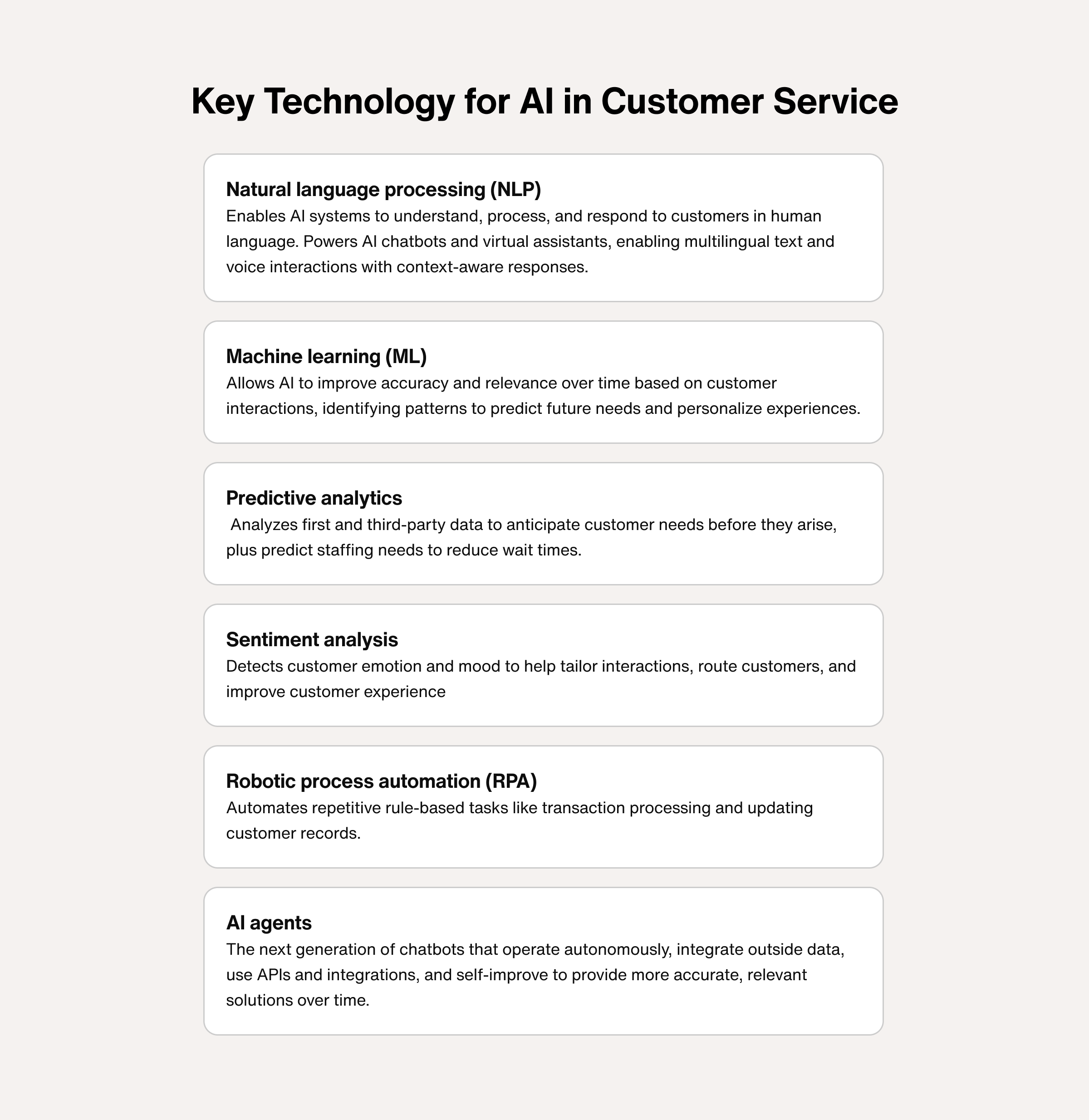
Use cases keep growing. Businesses use voice AI for customer support and order processing. Healthcare employs it for patient assistance. Even smart homes benefit from voice-controlled appliances. The future holds many more practical applications.
Credit: sendbird.com
How Callerr.nl Can Help You with Voice Automation Technology That Reduces Wait Times
Practical Learning Opportunities in Voice Automation Technology
Exploring voice automation technology that reduces wait times opens a pathway to mastering next-generation tools designed for measurable operational efficiency. Engaging with practical learning—such as hands-on workshops focusing on Natural Language Understanding and Large Language Models—provides invaluable insights into how truly intelligent agents deliver zero wait time and instant scale.
Delving deeper into topics like boosting efficiency and future trends in AI voice assistants can help professionals appreciate the nuances of seamless integration and zero-code customization. This approach accelerates the journey from theory to application, often reducing implementation timelines from months to days.
- Participate in simulation exercises that demonstrate human-level intelligence in customer interactions.
- Experiment with voice technology use cases in sectors like healthcare to understand emotional cues and empathetic responses.
- Analyze case studies showcasing 90% call automation and immediate ROI.
For those interested in expanding their expertise or seeking tailored guidance, connecting with organizations specializing in autonomous excellence and enterprise-ready solutions can be a valuable resource.
Contact: [email protected]
Frequently Asked Questions
How To Reduce Latency In Voice Ai?
Reduce voice AI latency by using real-time streaming ASR, optimizing models, enabling parallel processing, deploying on edge devices, accelerating hardware, and improving network efficiency.
Which Technology Helps In Automating Routine Call Handling Tasks?
Robotic Process Automation (RPA) automates routine call handling tasks like data entry, call logging, and information retrieval efficiently.
Which Ai Voice Assistant Is The Best?
The best AI voice assistant depends on your needs. Google Assistant excels in general queries, Alexa leads in smart home control, Siri suits Apple users, and Microsoft Copilot boosts productivity. Gemini offers strong conversational AI, while Perplexity is ideal for research tasks.
How Is Voice Technology Used In Healthcare?
Voice technology in healthcare enables hands-free data entry, patient monitoring, virtual assistants, and streamlined communication, improving efficiency and care quality.
What Is Voice Automation Technology In Customer Service?
Voice automation uses AI to handle calls and reduce the time customers wait.
Conclusion
Voice automation technology helps cut wait times effectively. It handles simple requests fast and frees agents for harder tasks. Customers get answers quicker, improving satisfaction and loyalty. Businesses save time and reduce costs by using smart voice systems. Adopting this technology supports smoother, faster communication with clients.
As voice tech advances, expect even shorter waits ahead. Embracing these tools benefits both customers and companies alike.