
Imagine your contact center running smoothly, handling calls instantly, and understanding exactly what your customers need—without long wait times or frustrated agents. Voice-enabled conversational AI is making this a reality.
If you want to improve customer satisfaction, reduce operational costs, and boost your team’s efficiency, this technology is designed for you. You’ll discover how voice AI can transform your contact center, why it matters for your business, and how to get started right away.
Ready to unlock smarter customer conversations? Keep reading.
Benefits Of Voice Ai
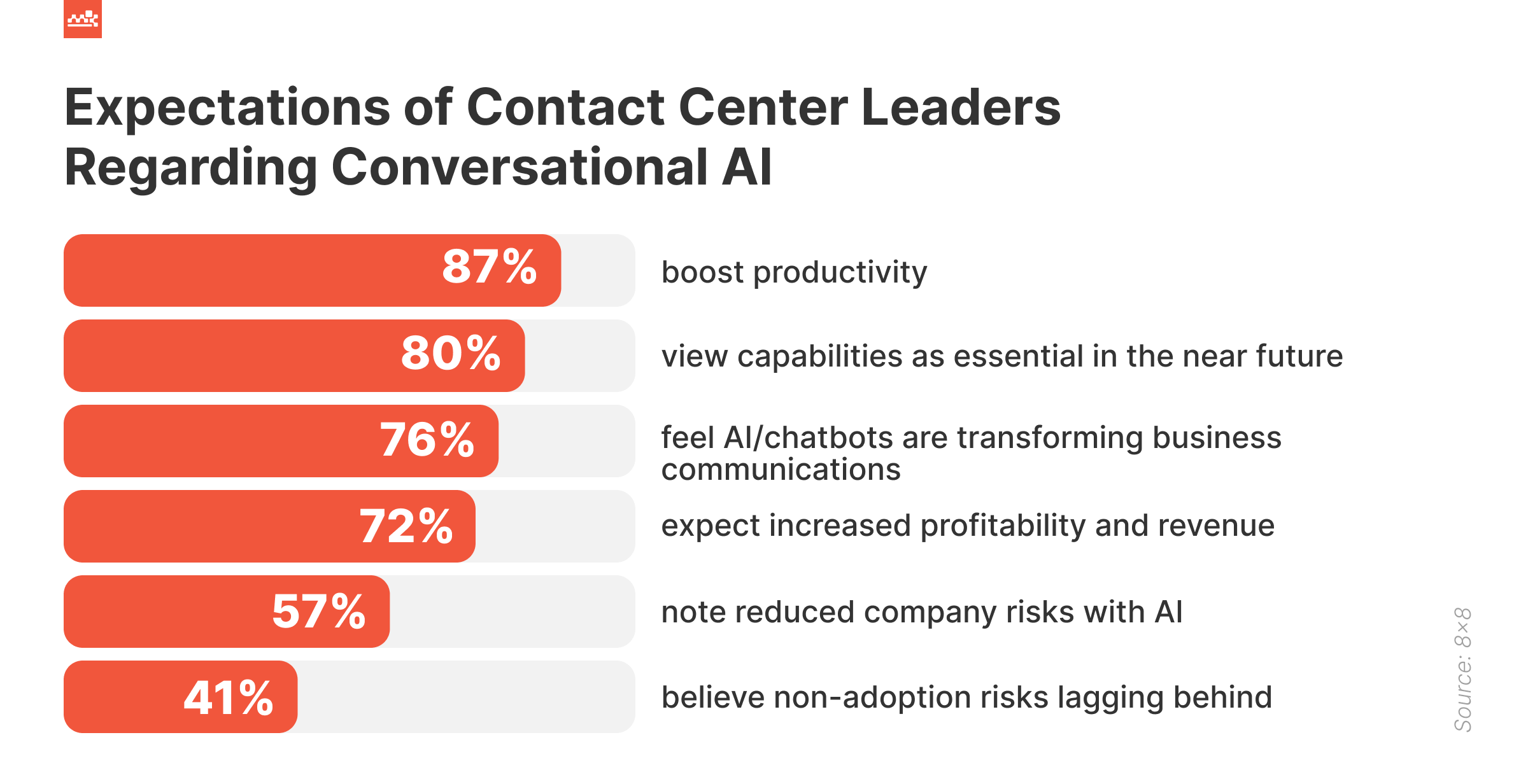
Voice AI helps contact centers work faster by handling many calls at once. It answers common questions without waiting, so agents focus on hard problems. This boosts efficiency and reduces customer hold times.
Customers like quick and clear answers. Voice AI listens well and talks naturally, making calls smoother. It remembers details, so customers don’t repeat themselves. This improves customer experience and builds trust.
Using Voice AI cuts down on staff needed for simple tasks. Fewer agents are needed for routine work, which lowers operational costs. It also reduces errors, saving money on fixes and complaints.
Credit: masterofcode.com
Core Technologies
Natural Language Processing (NLP) helps computers understand human words. It breaks down sentences into smaller parts to find meaning. NLP allows the AI to respond in a way that feels natural and clear.
Speech Recognition converts spoken words into text. This technology listens to the customer’s voice and turns it into data the AI can work with. It makes voice conversations possible without typing.
Machine Learning Models learn from past conversations. They improve the AI’s answers over time by finding patterns. This helps the AI get better at helping customers with their questions.
Building Voice Ai Agents
Data preparation is the first step in building voice AI agents. It involves collecting and cleaning audio recordings and text transcripts. These help the AI understand how people speak and respond. Training the AI needs lots of examples to learn from.
No-code platforms make building voice agents easier. They let users create AI workflows without programming skills. Drag-and-drop tools help design conversations quickly. This saves time and lowers costs.
Integration with contact centers means connecting the voice AI with existing phone systems and customer databases. This allows the AI to handle calls and access customer info. It improves the customer experience by offering fast, accurate answers.
Common Use Cases
Cold calling leads uses voice AI to contact many people quickly. The AI talks naturally, shares key info, and answers simple questions. This helps agents focus on serious buyers, saving time and effort.
Automated customer support handles common questions fast. Voice AI listens, understands, and gives clear answers without waiting. It works 24/7, so customers get help anytime.
Appointment scheduling lets AI set, change, or cancel meetings by phone. It checks calendars and confirms details without human help. This cuts errors and frees staff for harder tasks.
Challenges To Address
Handling complex queries is a big challenge for voice AI. These queries need clear understanding and smart answers. Sometimes, AI may get confused with many questions or unusual requests. Training AI with lots of examples helps it learn better.
Ensuring data privacy is very important. Voice AI deals with personal information. Strong security measures must protect this data from leaks or misuse. Companies must follow rules and keep customer trust.
Maintaining human-like conversations makes the experience better for customers. AI should sound natural and friendly. It must understand emotions and respond in a caring way. This helps customers feel heard and valued.

Credit: www.bandwidth.com
Measuring Success
Key Performance Indicators (KPIs) help track the impact of voice-enabled AI in contact centers. For customer satisfaction, common metrics include Customer Satisfaction Score (CSAT), Net Promoter Score (NPS), and First Call Resolution (FCR). These show how well customers feel their issues are solved quickly and pleasantly.
Operational efficiency metrics focus on how smoothly the contact center runs. Important KPIs are Average Handle Time (AHT), Call Deflection Rate, and Agent Utilization Rate. Lower handle times and higher deflection rates mean AI is easing agent workload.
| Category | Key Metrics | What It Measures |
|---|---|---|
| Customer Satisfaction | CSAT, NPS, FCR | Customer happiness and quick problem solving |
| Operational Efficiency | AHT, Call Deflection, Agent Utilization | Speed, workload reduction, and agent productivity |
Future Trends
Multimodal interactions combine voice, text, and visual inputs. This helps customers communicate in many ways. Contact centers become more flexible and user-friendly. People can switch between speaking and typing easily.
Emotional AI integration detects feelings from voice tone and words. This allows agents to respond with more care. It improves customer satisfaction by understanding moods better.
Cross-channel experiences link phone, chat, and email conversations. Customers get smooth support without repeating themselves. This creates a seamless journey across all platforms, saving time and effort.
Credit: www.voicespin.com
How Callerr.nl Can Help You with Voice-Enabled Conversational Ai for Contact Centers
Practical Learning Paths for Mastering Voice-Enabled Conversational AI
To truly harness the potential of voice-enabled conversational AI in contact centers, immersing yourself in hands-on learning is essential. Start by exploring the core technologies such as Natural Language Understanding and Large Language Models, which form the foundation of truly intelligent agents capable of human-level intelligence. Building voice AI agents requires not only technical know-how but also an understanding of how to address challenges like interpreting emotional cues to create truly empathetic interactions.
Measuring success through clear metrics can guide iterative improvements, ensuring measurable operational efficiency and immediate ROI. Opt for platforms and resources that emphasize seamless integration and zero-code customization to accelerate deployment—from days, not months—enabling instant scale and autonomous excellence.
- Engage with case studies demonstrating 90% call automation and 100x scalability
- Participate in workshops focusing on generative AI applications in live contact center environments
- Leverage community forums and expert consultations for troubleshooting and innovation
For further guidance tailored to enterprise-ready implementations, reaching out to experienced partners who prioritize future-proof, human-centered solutions can be invaluable. Contacting specialists familiar with redefining standards in voice AI will help bridge theory and practice efficiently.
Frequently Asked Questions
What Is Voice-enabled Conversational Ai In Contact Centers?
It is AI technology that understands and responds to spoken customer requests by voice.
How Does Voice Ai Improve Contact Center Efficiency?
It handles routine calls quickly, freeing agents to focus on complex issues.
Can Voice Conversational Ai Understand Different Accents?
Yes, advanced AI can recognize and respond to various accents and speech patterns.
Is Voice Ai Secure For Handling Customer Data?
Secure systems use encryption and comply with privacy laws to protect data.
What Benefits Do Customers Get From Voice-enabled Ai?
Faster responses, 24/7 service, and more natural, human-like conversations.
Conclusion
Voice-enabled conversational AI improves contact center efficiency and customer satisfaction. It handles calls quickly and understands customer needs clearly. Agents get support for complex issues, reducing wait times. Businesses save costs by automating routine tasks with AI voice agents. This technology keeps evolving to offer better service every day.
Embracing voice AI helps contact centers stay competitive and responsive. The future of customer support is smarter and more human-like.